Tips, guides, and industry insights from our expert technicians
Auto Glass Service for Los Angeles Business Vehicles: Planning Less Downtime
By PG Auto Glass Team
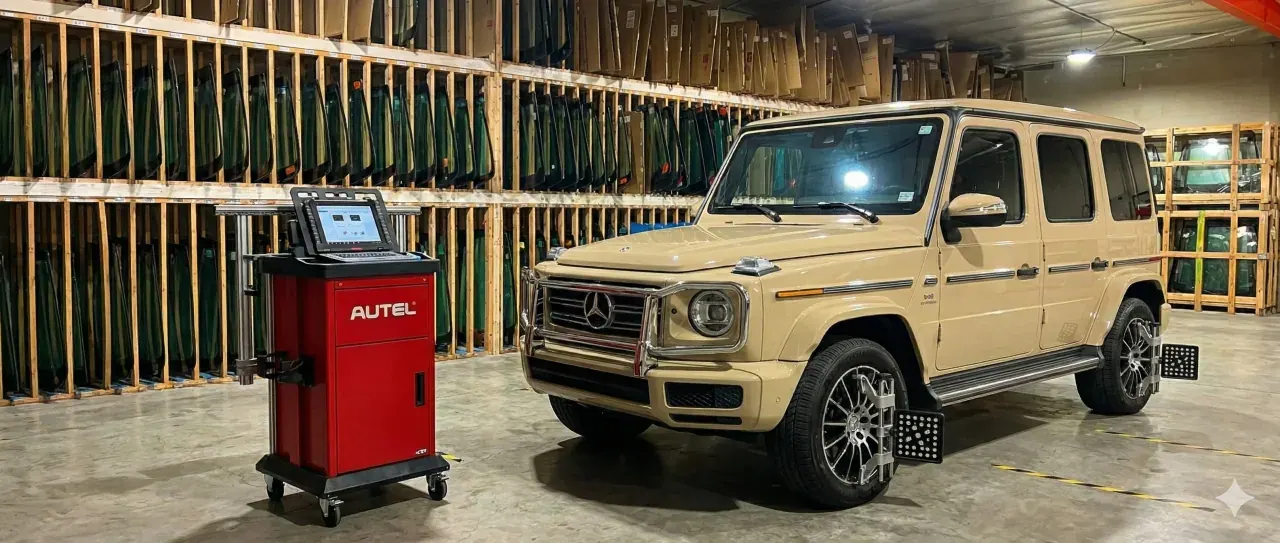
A damaged windshield in a work vehicle affects more than the next trip. A Los Angeles contractor may need to move tools to another truck, a delivery business may need to change a route, and a small fleet may have only one vehicle available for a particular job. Good scheduling starts with identifying the glass and understanding the full service window—not assuming the vehicle is ready as soon as installation ends.
This checklist helps business owners and drivers prepare for auto glass repair or windshield replacement without treating safety steps as optional downtime.
Start with a separate record for each vehicle
Vehicles with the same model name can use different glass. Before requesting an appointment, gather the following information for each affected vehicle:
- Year, make, model, and the VIN for windshield work.
- The business's vehicle or unit number, if you use one.
- Photos of the damage and a wider view showing its location.
- Which pane is damaged, especially if several side windows look similar.
- The usual parking address, available access, and a contact who can provide the keys.
- Whether the windshield has cameras, a head-up display, heating, or other visible features.
Do not assume a VIN alone tells the shop everything about aftermarket accessories or previous modifications. Mention dash cameras, mounted equipment, and anything attached near the glass. Our auto glass quote preparation checklist explains what helps with an initial estimate.
Decide whether repair needs an assessment first
A small chip may be repairable, but size alone is not enough to decide. Its location, depth, contamination, and the condition of the surrounding glass also matter. Send clear photos and ask whether an in-person inspection is needed before reserving a replacement slot.
Do not ask a driver to keep using a vehicle with obstructed visibility or loose or unstable glass just to finish a route. Park safely and discuss the symptoms with the shop. A cracked windshield and a shattered side window also need different parts and planning.
Choose a realistic place for the work
Mobile service can reduce travel for a business, but the technician still needs a suitable work area. A vehicle double-parked at a delivery entrance is not a reliable service location.
Ask whether the proposed site has enough clearance, a reasonably level surface, safe access, and acceptable conditions for the work. Confirm any building security rules, parking restrictions, gate codes, or arrangements for moving the vehicle before the appointment.
For vehicles normally kept around Burbank, Glendale, or Van Nuys, describe the actual service address rather than only the city. PG Auto Glass serves these areas from its Van Nuys shop; mobile suitability and appointment availability must be confirmed.
Schedule the whole service window, not just the installation
Ask about parts availability, the expected work time, the adhesive's minimum drive-away time, and any calibration required for that vehicle. These are separate questions.
The Auto Glass Safety Council explains that minimum drive-away time varies with the adhesive, atmospheric conditions, and other factors. The technician should give instructions for the actual installation. Do not book the vehicle's next delivery based only on a general time estimate from an article.
If windshield-mounted driver-assistance cameras are involved, ask whether the manufacturer calls for ADAS calibration, where it will take place, and what is included in the quote. Not every vehicle follows the same procedure. Our guide to ADAS calibration after replacement covers questions to ask.
Agree on approval and driver handoff
Choose one person who can approve the work and answer questions about parts or scheduling. If you plan to use insurance, confirm coverage and the claim process with the insurer; do not assume every commercial policy covers glass the same way.
Before the vehicle returns to work, make sure the driver receives:
- The earliest permitted drive-away time and any installation-care instructions.
- Confirmation of what glass was serviced and any calibration work performed.
- Any restrictions affecting washing, retention tape, or attached equipment.
- The invoice and the correct contact for questions about the completed service.
Tell the driver about a changed pickup time directly. Leaving instructions with an office contact does not ensure the person using the vehicle has received them.
Common questions for small fleets
Can several vehicles be handled in one visit?
Ask with each vehicle's details and the proposed parking arrangement. Parts availability, the amount of work, technician scheduling, and calibration needs determine what can be arranged. Do not assume a multi-vehicle visit or a particular turnaround is guaranteed.
Is mobile replacement always quicker?
It can avoid a trip to the shop, but it does not shorten adhesive waiting requirements or eliminate manufacturer-required procedures. See our comparison of mobile auto glass service and visiting a shop.
How do I request service without losing the details?
Use the online appointment request for a vehicle and include accurate contact information. For several vehicles, call the shop to discuss the list and availability. A submitted request is not a confirmed appointment; wait for the team to confirm the arrangements before changing dispatch plans.
More Articles You Might Like
Mobile Auto Glass Service vs. Visiting a Shop
Compare mobile and in-shop auto glass service and learn when each option makes sense.
ADASADAS Calibration After Windshield Replacement: What Drivers Should Know
Windshield-mounted cameras may need calibration after replacement. Here is what drivers should ask before leaving the shop.