Tips, guides, and industry insights from our expert technicians
Mobile Auto Glass Service vs. Visiting a Shop
By PG Auto Glass Team
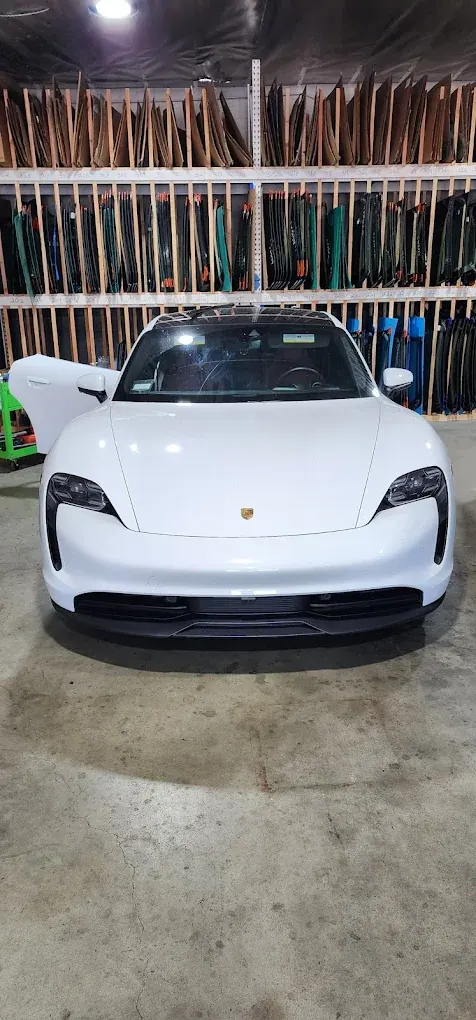
Mobile auto glass service brings the installation to a safe vehicle location, while a shop appointment places the vehicle in a controlled work area. Neither option is automatically best for every vehicle. The right choice depends on the damage, glass features, weather, equipment, calibration needs, and whether the vehicle can be driven safely.
When mobile service can make sense
Mobile service is convenient when a vehicle is parked at home, work, or another accessible location. It can be especially useful when a cracked windshield, broken side window, or exposed cabin makes driving undesirable. You avoid arranging transportation to a shop and can prepare the vehicle where it is already parked.
Before booking, confirm that there is enough room around the vehicle, a reasonably level surface, and protection from avoidable weather. Tell the provider if the vehicle cannot move, has camera equipment, or has damage beyond the glass.
When a shop may be preferable
An in-shop appointment may be more appropriate when the vehicle needs controlled conditions, specialized equipment, a detailed inspection, or work beyond a straightforward glass installation. A shop may also be useful when the regulator, trim, body opening, sensor, or camera requires diagnosis.
For vehicles with ADAS, ask whether calibration can be completed at the chosen location and what the manufacturer requires. Some procedures involve targets, scanning, road testing, or equipment that may not be available at every mobile appointment.
How to choose
- Ask which service location is suitable for the exact vehicle and damage.
- Provide the VIN and identify tint, cameras, sensors, moldings, and antennas.
- Describe the parking surface, shelter, access, and Los Angeles service address.
- Confirm cure-time instructions and any post-installation checks.
- If insurance is involved, verify current coverage and provider rules with the insurer.
Making the decision practical
For a vehicle parked at home in Los Angeles, mobile service can reduce travel and avoid moving damaged glass. For a vehicle with a complicated camera system, body damage, or poor weather protection, a shop may make inspection and equipment easier. Ask the provider to recommend the location based on the actual vehicle.
The best comparison is not “mobile versus shop” in the abstract. Compare the part, preparation, installation, calibration, cure-time instructions, and follow-up process. Keep a record of what was requested and completed.
Questions for the provider
Ask whether the vehicle can be serviced at the requested location, what preparation is required, and whether the glass has special features. If the vehicle has a camera or sensor, ask how compatibility and any calibration are handled. Clear answers are more useful than choosing based only on the word “mobile.”
A useful appointment conversation covers both convenience and technical suitability. If the vehicle is immobilized, has an exposed cabin, or carries advanced camera equipment, mention that first so the location recommendation accounts for safety rather than travel alone.
Is mobile glass installation less complete than shop installation?
Not automatically. The quality of the result depends on the correct glass, preparation, installation, inspection, and any required calibration. The location must be appropriate for the work.
Can a mobile technician replace glass if the car cannot move?
Often the purpose of mobile service is to work at the parked vehicle, but suitability depends on access, damage, weather, and equipment. Describe the condition when scheduling.
Does a shop guarantee faster service?
No. Timing depends on parts, vehicle complexity, workload, weather, and calibration. Ask what is included in the appointment window.
More Articles You Might Like
What to Have Ready When Calling for an Auto Glass Quote
The right vehicle and damage details help an auto glass team provide a faster, more accurate quote.
Customer GuideHow Long Does Mobile Auto Glass Replacement Take?
Learn what affects appointment length, including vehicle type, glass availability, installation, and cure time.