Tips, guides, and industry insights from our expert technicians
Side Window Replacement After a Break-In: What to Do First
By PG Auto Glass Team
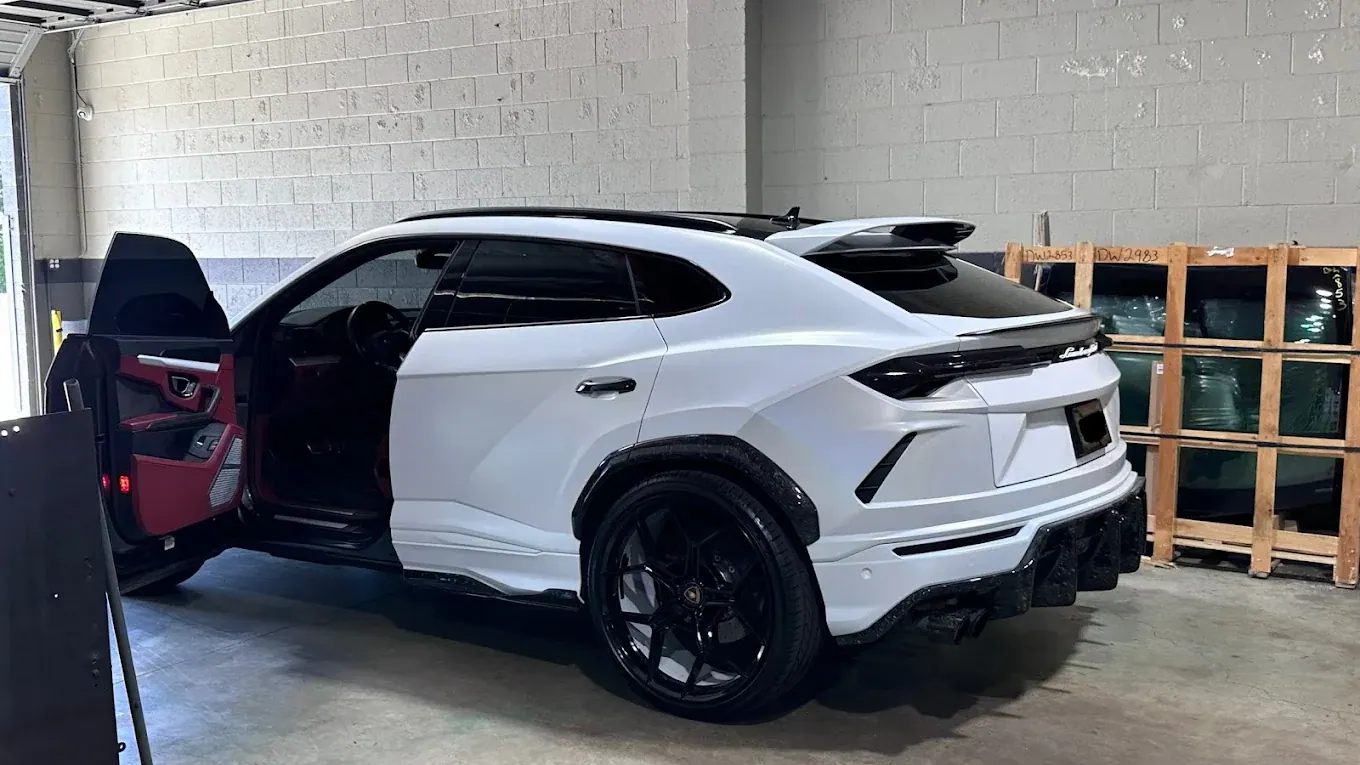
After a broken side window, protect people first, document the damage, and limit driving until loose glass and the window mechanism have been assessed. Photograph the vehicle before cleanup, keep the opening covered temporarily, and provide the vehicle and window details when arranging replacement.
First steps after the break-in
- Move to a safe, well-lit location if possible and check whether anyone is injured.
- Photograph the exterior, interior, broken glass, and any related damage before cleaning.
- Keep children and pets away from glass in the seat, door pocket, floor, and tracks.
- Wear sturdy gloves and use care if collecting large pieces. Tiny fragments may remain hidden.
- Cover the opening with a temporary barrier to limit rain and debris, but do not treat it as a permanent repair.
Do not operate the damaged window switch until the regulator and remaining glass have been checked. A motor can move loose fragments into the door or make additional damage worse.
Information that helps with replacement
Have the vehicle year, make, model, trim, and the exact door or quarter window ready. Tell the service provider whether the glass is tinted, whether the regulator is damaged, and whether the vehicle is at home, work, or another location in Los Angeles. Photos can help identify the opening, but the correct part should be confirmed before installation.
If you plan to make an insurance claim, contact your insurer and review your current policy and instructions. Coverage, deductibles, documentation, and provider choices vary; this article is not insurance advice.
Mobile service or a shop?
Mobile side-window replacement can be useful when the vehicle is parked safely and should not be driven with an exposed cabin. An in-shop visit may be preferable when the door, regulator, alarm, trim, or other break-in damage needs additional inspection. Describe all visible damage so the appointment can be planned appropriately.
Protecting the vehicle afterward
Once the opening is repaired, check that the door closes and latches normally, the switch is not being operated against an obstruction, and no loose glass remains in the cabin. Keep receipts, photos, and insurer correspondence together if a claim is involved. If the break-in damaged a mirror, lock, regulator, alarm, or body panel, arrange those inspections separately.
Do not leave valuables visible while waiting for service. If rain is expected, use a temporary covering that does not obstruct the driver's view or create a hazard. Remove it before driving unless a professional has confirmed the vehicle is safe.
Before approving the work
Ask whether cleanup, temporary protection, replacement, and inspection of the window mechanism are separate steps. A side window can break without the regulator being unaffected. If the door does not open, close, lock, or operate normally, explain that before the glass appointment. Keep children away from the vehicle until the interior has been checked.
In addition to glass, check for damage to weatherstripping, the door frame, lock, mirror, and interior. Reporting those details early helps prevent a glass-only appointment from overlooking a larger safety or security problem.
Can I drive with a broken side window?
Avoid driving when loose glass, weather exposure, impaired visibility, or door damage creates a safety concern. Ask an auto glass professional about the specific condition before moving the vehicle.
Should I vacuum broken glass myself?
Only clean what you can safely reach with protection. Glass can hide under seats and inside the door, so professional cleanup or inspection may still be needed.
Will insurance pay for a broken window?
Do not assume coverage. Review the current policy and contact the insurer for claim, deductible, documentation, and provider guidance.
More Articles You Might Like
24/7 Emergency Auto Glass Calls: When to Contact PG Auto Glass
Regular shop hours and emergency call availability are different. Learn when to call for urgent auto glass help.
Emergency ServiceHow to Protect Your Vehicle After a Broken Car Window
Temporary protection and safe cleanup steps can reduce weather and injury risks after window damage.