Tips, guides, and industry insights from our expert technicians
OEM vs. Aftermarket Windshields: What's the Difference?
By PG Auto Glass Team
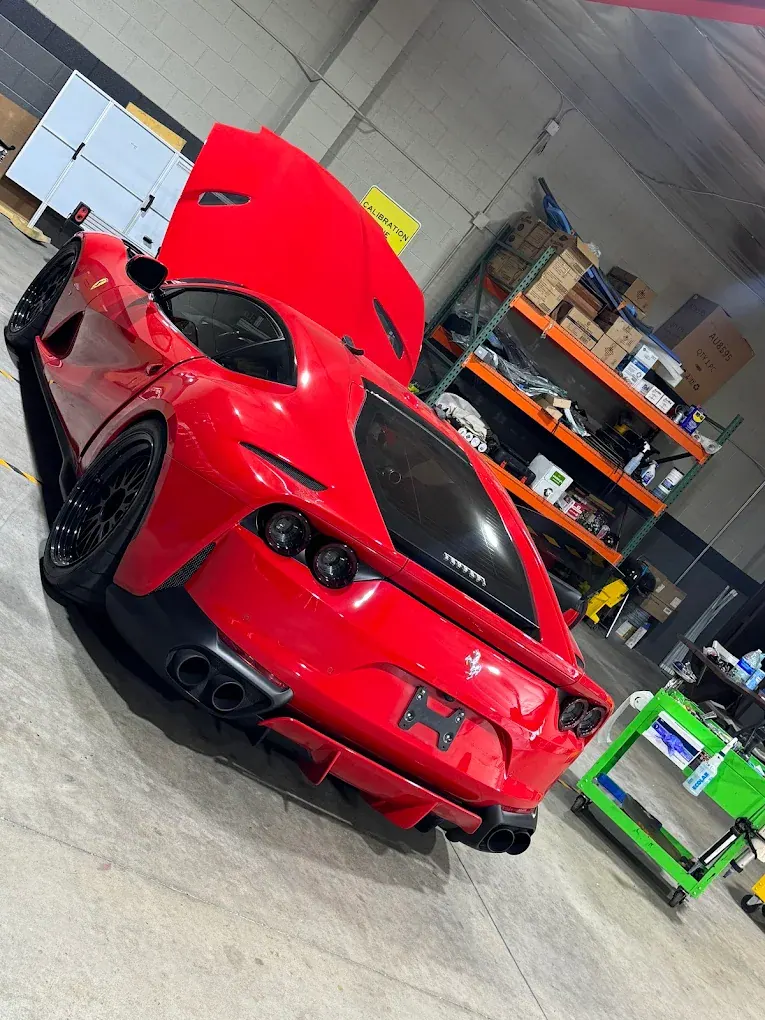
When it's time to replace your windshield, you'll likely be given a choice between OEM and aftermarket glass. Here's what you need to know to make an informed decision.
What is OEM Glass? OEM (Original Equipment Manufacturer) glass is made by the same company that produced your vehicle's original windshield. It matches the exact specifications, thickness, and quality of the original.
What is Aftermarket Glass? Aftermarket glass is produced by third-party manufacturers. While it meets federal safety standards, there can be variations in quality, fit, and optical clarity.
Key Differences
- Fit and features: The correct part must match the vehicle, trim, tint, brackets, sensors, and other equipment.
- Manufacturer: OEM and aftermarket parts come from different supply channels; suitability depends on the exact part rather than the label alone.
- Price: Pricing varies by vehicle, availability, features, and installation requirements.
- Warranty: Terms vary by the glass manufacturer, supplier, and installer, so review the written coverage before approving work.
Choosing the Appropriate Glass For vehicles with ADAS, confirm the vehicle manufacturer's requirements, the exact glass specification, and the calibration procedure. OEM glass may be required or preferred in some situations, while a compatible quality aftermarket part may be appropriate in others.
At P&G Auto Glass, we offer both options and will help you choose the best solution for your vehicle and budget.
Need auto glass service?
Book Your Appointment →More Articles You Might Like
What Causes Windshield Stress Cracks Without an Impact?
A windshield crack can sometimes appear without a visible rock chip. Learn how temperature, installation, and body stress may contribute.
EducationOEM Glass, Aftermarket Glass, and ADAS Compatibility
The right replacement glass depends on fit, vehicle features, and camera or sensor requirements—not just price.