Tips, guides, and industry insights from our expert technicians
Auto Glass Insurance Claims: Repair or Replacement?
By PG Auto Glass Team
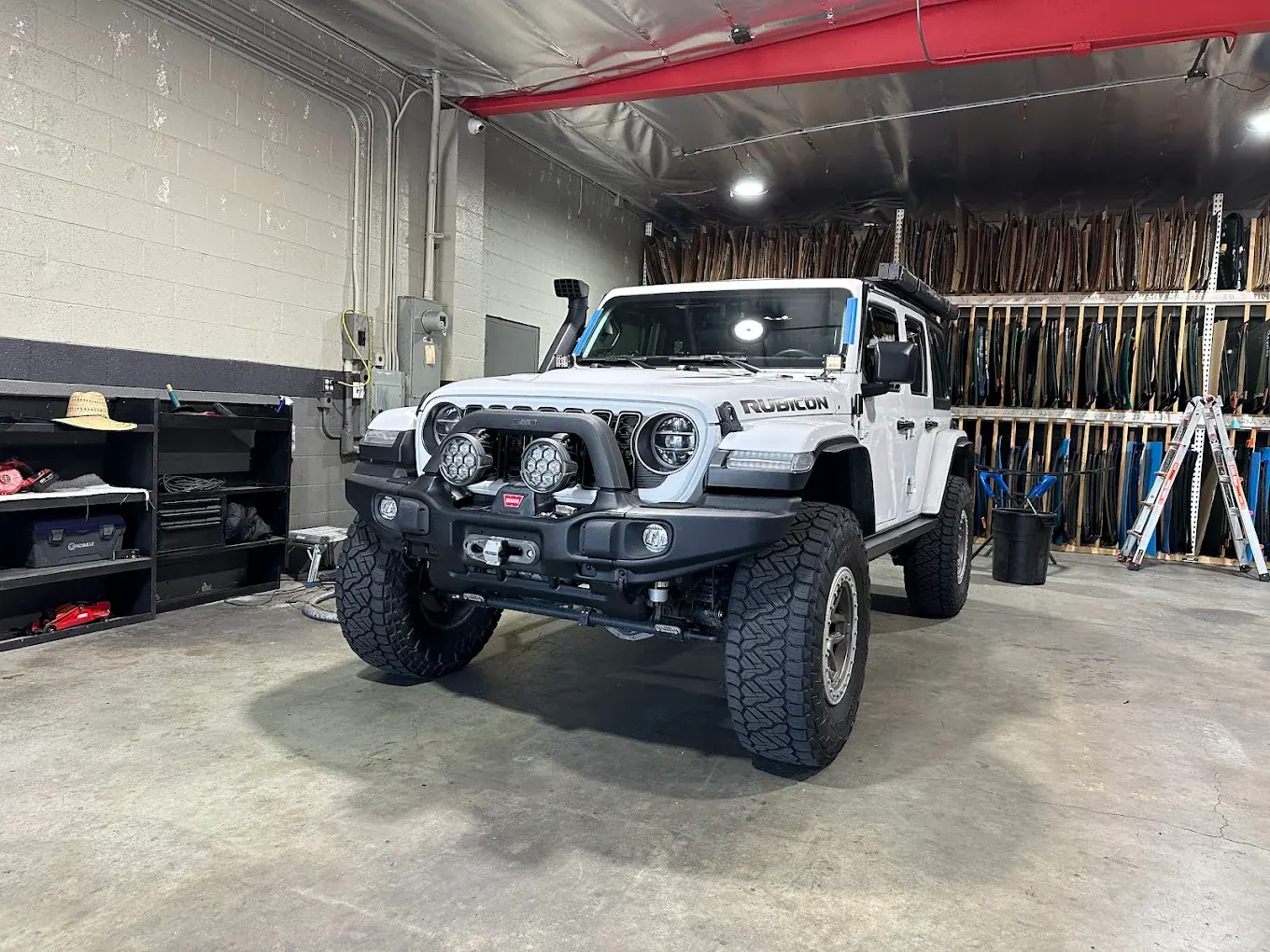
A small chip may be repairable, while a long crack, edge damage, or a safety-related viewing problem may lead to replacement. The correct option depends on the damage and vehicle requirements. Insurance coverage is separate from the technical recommendation: policies, deductibles, provider rules, and documentation vary, so confirm current details directly with your insurer.
Start with the damage assessment
Ask an auto glass professional to inspect the size, depth, location, contamination, and spread of the damage. A repair may be considered for limited impact damage; replacement may be more appropriate when the crack reaches an edge, affects a critical viewing area, compromises layers, or cannot be stabilized.
Do not delay solely because you are considering a claim. Heat, vibration, moisture, and additional impacts can change the damage and the available options. If visibility is obstructed or the glass is unstable, ask whether mobile service is safer than driving.
Questions for your insurer
- Does the current policy include glass repair, replacement, or both?
- What deductible applies to this type of claim?
- Must the claim be opened before inspection or authorization?
- Are there provider, documentation, or parts requirements?
- Is calibration or related sensor work addressed separately?
- What information is needed for reimbursement or direct billing?
Coverage and claims processes can change. Read the current policy and use official insurer guidance rather than relying on a general article or an old estimate. California rules and consumer choices can also depend on the circumstances; this article is not legal or insurance advice.
Compare the complete scope
When you receive a quote, ask which glass is included, whether moldings and clips are needed, whether camera calibration is required, and what cure-time instructions apply. A repair quote and replacement quote are not interchangeable. If the insurer suggests a provider, ask about your current options and make an informed decision based on the policy and vehicle needs.
Keep claim and repair decisions separate
The technical question is whether the glass can be repaired safely or should be replaced. The payment question is what the policy covers and how the claim must be handled. Ask the installer for a description of the damage and ask the insurer how that description fits the current process. Do not ask a general article to decide coverage.
Save the estimate, photos, claim number, deductible information, and approval instructions. If damage changes before authorization, update both the insurer and installer. A new crack or warning message can change the scope.
Protecting your options
Do not authorize a repair or replacement before understanding the insurer's current process if you intend to claim. Ask whether photographs, inspection, authorization, or a claim number must come first. Keep the glass damage unchanged when possible, but do not delay urgent safety work solely to preserve a photograph.
If the vehicle is in Los Angeles and cannot safely reach a shop, ask the insurer how mobile inspection or service fits its current process. Do not assume a provider recommendation, deductible, or authorization rule applies to every policy.
Is repair always cheaper for an insurance claim?
Not necessarily, and coverage is policy-specific. The technical recommendation should be based on the damage and vehicle, while payment questions should be confirmed with the insurer.
Can I choose the glass?
Choices depend on the vehicle, policy, availability, and required features. Ask the insurer and installer what compatible options are available.
Should I file a claim before inspection?
Follow the insurer's current process. Some carriers want a claim number first; others direct customers to an inspection or provider. Confirm before authorizing work.
Need auto glass service?
Book Your Appointment →More Articles You Might Like
What to Ask About Your Auto Glass Insurance Claim
Use these questions to understand your coverage, deductible, glass choice, and calibration requirements.
InsuranceHow to File an Auto Glass Insurance Claim in California
Navigate the insurance claim process with ease. Our step-by-step guide helps you understand your coverage and get your glass repaired quickly.