Tips, guides, and industry insights from our expert technicians
Acoustic Windshields in Los Angeles: What to Check Before Replacement
By PG Auto Glass Team
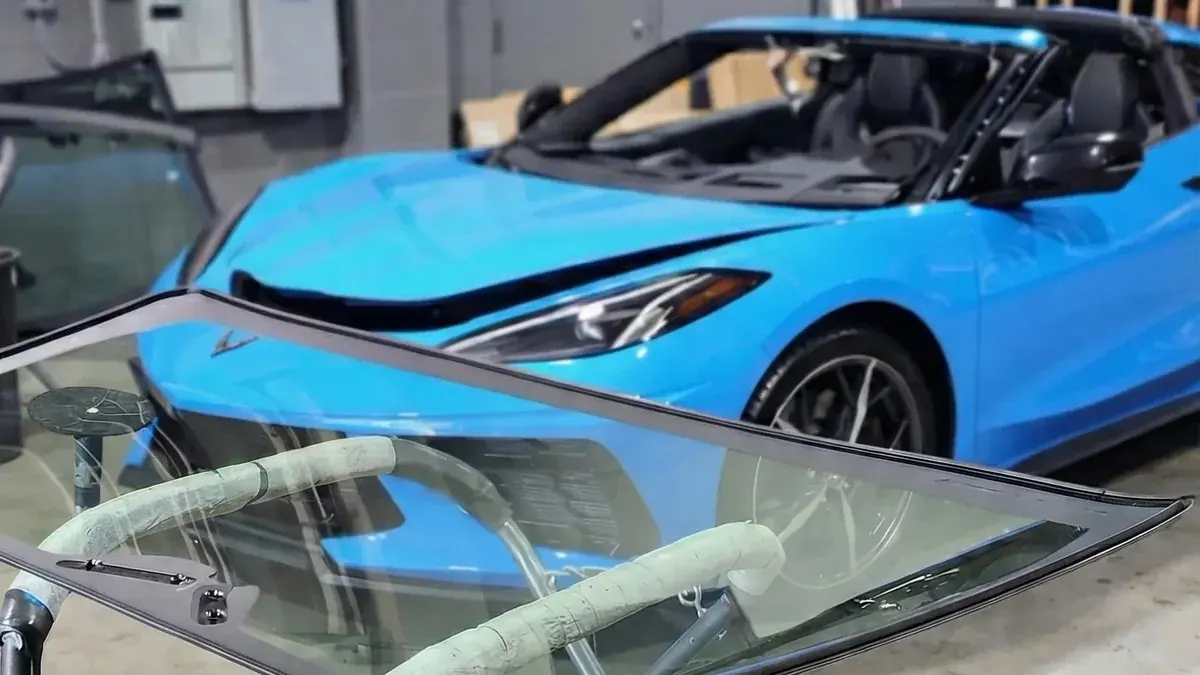
Some vehicles are equipped with an acoustic windshield: laminated glass with a sound-dampening interlayer designed to help reduce certain outside noise. If your vehicle calls for that feature, ask the glass shop to verify the correct replacement part rather than assuming every windshield for the same model is identical.
On Los Angeles commutes, cabin comfort can matter over a lot of time behind the wheel. Acoustic glass is one feature worth checking when you need windshield replacement. It is not a soundproofing guarantee, and not every vehicle or trim uses the same glass.
What does “acoustic windshield” mean?
Automotive laminated glass bonds layers of glass around an interlayer. Acoustic versions use an interlayer designed to damp some sound transmitted through the glass. AGC describes acoustic laminated glass as a way to improve acoustic performance; Honda's feature guide gives a vehicle-specific example and notes that glass features can differ by window and trim.
That is the general idea—not a promise that a replacement will make a car quiet, or that every vehicle has an acoustic windshield. Road surface, tires, seals, vehicle design, and other factors also contribute to cabin noise.
Why confirm the feature before replacement?
A windshield is not always a generic part. Depending on the vehicle, the specified glass can have features such as acoustic or solar-control layers, a camera area, a rain sensor, a head-up display zone, or other equipment-related differences.
When arranging windshield replacement, give the shop your year, make, model, trim if known, and VIN when requested. Mention any features you know are on the existing windshield. Ask the shop to verify the correct part for your vehicle rather than relying on a visual guess or an online photo.
The VIN is useful for identifying the vehicle, but do not assume it alone settles every glass option. If you have the original glass paperwork, owner's manual, or a previous replacement invoice, share it. If the feature is still uncertain, ask what part is being quoted and how its compatibility will be checked.
Questions to ask before authorizing the work
- Does my vehicle's specification call for acoustic glass? Ask how the shop verified the part for your specific vehicle and trim.
- Does the quoted glass include the features my current windshield has? Mention any camera, rain sensor, head-up display, solar-control feature, or special tint you know about.
- What does the quote include? Confirm the glass, moldings or related parts, labor, and any separate work before approving it.
- Does my vehicle need ADAS work after replacement? Calibration depends on the vehicle's equipment and applicable procedures—not on the word “acoustic.” Ask whether any required ADAS calibration is included or arranged separately.
- What aftercare and release instructions apply? Get instructions for the actual installation rather than relying on a general time estimate.
Our guide to OEM and aftermarket glass compatibility covers more questions about comparing parts. If you are preparing to contact a shop, see what to have ready for an auto glass quote.
Does acoustic glass guarantee a quieter ride?
No. Its interlayer is designed to reduce certain sound transmission, but the result depends on the vehicle and the overall condition of the car. Wind noise can also come from seals, trim, doors, tires, or other areas; replacing a windshield should not be treated as a diagnosis of every noise.
If you are replacing a damaged windshield, ask whether an acoustic part is specified for your vehicle and what the shop can verify. Avoid expecting a specific decibel reduction or a silent cabin unless the vehicle manufacturer provides a specific, applicable figure.
Los Angeles service planning
PG Auto Glass's only public shop is in Van Nuys. Other listed cities are service areas for mobile work, not additional storefronts. Browse the service-area directory and confirm that your address, parking conditions, vehicle, and requested work are suitable for a mobile appointment.
Parts availability and vehicle-specific equipment can affect scheduling. Share the vehicle details and ask the shop to confirm the quoted part and appointment arrangements before relying on a requested time. An online request is not confirmed until the shop verifies the details.
Frequently asked questions
Do all cars have acoustic windshields?
No. The feature varies by vehicle, model year, trim, and sometimes by which window is being discussed. Check the vehicle-specific information and have the replacement part verified.
Can I tell from looking at the windshield?
Not reliably in every case. Do not infer acoustic construction from a tint band, color, or appearance alone. Share your vehicle details and any original glass paperwork with the shop.
Will acoustic glass eliminate freeway noise?
No. It is designed to reduce some sound transmitted through the glass, not eliminate traffic, tire, wind, or other vehicle noise. The result varies by vehicle and conditions.
Does acoustic glass need ADAS calibration?
The acoustic feature by itself does not determine calibration. If the windshield has a camera or another driver-assistance component, the vehicle-specific replacement procedure may require checks or calibration. Ask the shop what applies to your vehicle.
Will insurance pay for acoustic glass?
Coverage and approved parts depend on your policy, claim, and insurer requirements. Ask your insurer and the shop to confirm the authorized part and any cost difference before work begins.
Where can I ask about windshield replacement in Los Angeles?
Contact PG Auto Glass with your vehicle information and the features you want checked. The public shop is in Van Nuys; mobile service may be available in covered areas after the address and work are confirmed. You can request an appointment or call (818) 900-8280.
Bottom line: If your vehicle is specified for an acoustic windshield, make that requirement explicit and ask how the replacement part will be matched. Confirm the vehicle's other glass and camera features at the same time; do not assume a universal fit or a guaranteed noise result.
More Articles You Might Like
OEM Glass, Aftermarket Glass, and ADAS Compatibility
The right replacement glass depends on fit, vehicle features, and camera or sensor requirements—not just price.
Lease Return GuideWindshield Damage Before a Lease Return in Los Angeles
Returning a leased car in Los Angeles? Check windshield damage, confirm lease requirements, compare repair options, and keep the right service records.